Inventory Structuralism
Implementing a first-in, first-out (FIFO) spatial arrangement reduces waste by 18% in domestic environments. Proper shelving geometry ensures visibility and prevents redundant procurement.
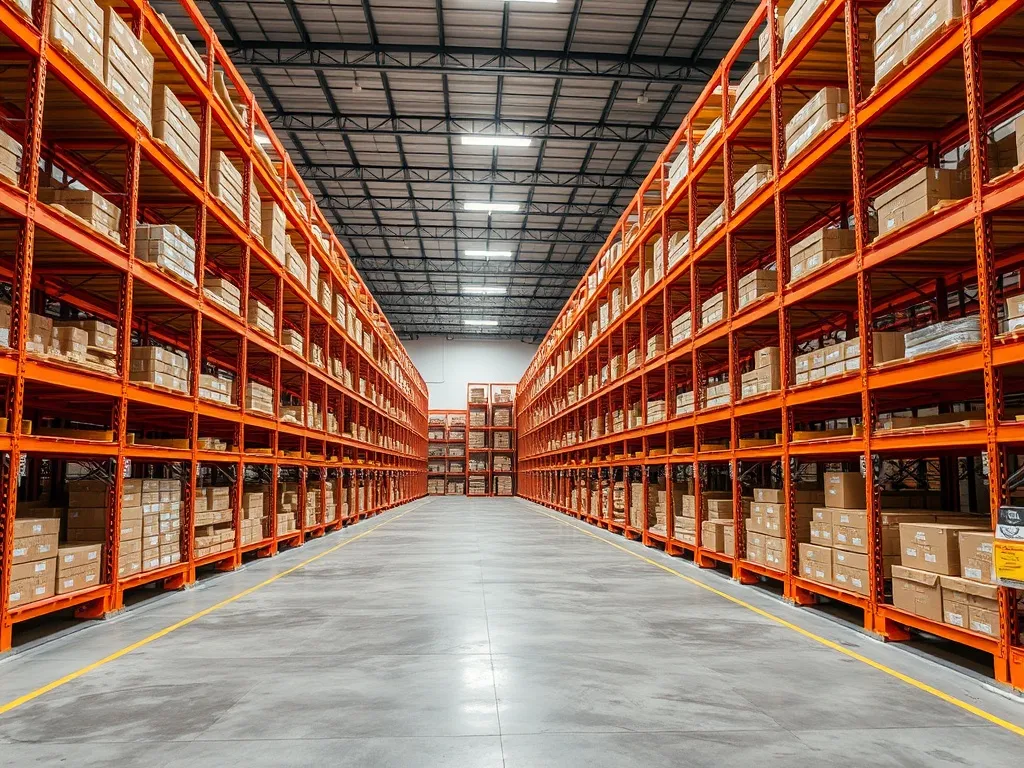
In an era of fluctuating market indices and rising operational costs, the geometry of food procurement requires a structural redesign. We analyze the spatial and financial integration of supply lines to mitigate the impact of inflation on household management.
Implementing a first-in, first-out (FIFO) spatial arrangement reduces waste by 18% in domestic environments. Proper shelving geometry ensures visibility and prevents redundant procurement.
Consolidating acquisition trips into a single 14-day cycle optimizes fuel consumption and minimizes impulse-driven expenditure. Map your route according to commercial density.
Large-format procurement reduces unit pricing by an average of 22.4% across dry goods. We examine the spatial requirements for long-term storage and preservation.
The structural integrity of a household budget is often compromised not by large singular expenses, but by the cumulative friction of inefficient daily procurement. In the context of Montreal's current economic climate, food supply chain optimization is no longer a choice but a technical necessity. By treating the kitchen and pantry as a modular storage facility, we can apply industrial logistics principles to domestic life. This involves a rigorous assessment of shelf-life geometry, where high-turnover items are positioned for immediate accessibility while long-term reserves are organized by caloric density and expiration thresholds.
Integration of bulk purchasing requires a fundamental shift in how we perceive the "retail interface." Instead of frequenting high-margin convenience outlets, the optimized consumer interacts directly with wholesale distribution points or high-volume cooperatives. This transition demands a spatial audit of the home: do you have the cubic footage to store 20kg of grain? If the answer is no, the optimization must focus on "just-in-time" delivery systems or shared community procurement models, as detailed in our Montreal Community Resource Map.
"Optimization is the elimination of unnecessary movement. In logistics, as in life, the shortest distance between a need and its fulfillment is a well-planned structure."
Furthermore, the financial component of this optimization cannot be ignored. Every dollar saved in the grocery aisle is a dollar that can be redirected toward Risk Management and Insurance Premiums, creating a more resilient personal economy. The goal is to create a self-sustaining loop where efficient procurement feeds into greater financial stability, allowing for higher-quality inputs without an increase in gross expenditure.
A comparative analysis of procurement channels based on volume, pricing, and logistical overhead.
| Channel Type | Price Index | Logistical Cost | Best For |
|---|---|---|---|
| Wholesale Club | 0.75x | High (Requires Vehicle) | Dry goods, frozen assets, bulk proteins |
| Discount Supermarket | 1.00x | Medium (Transit accessible) | Weekly perishables, seasonal produce |
| Standard Grocery | 1.35x | Low (Urban density) | Specialty items, immediate needs |
| Convenience Store | 1.80x | Negligible | Emergency procurement only |
Data based on 2023-2024 Montreal regional market averages. Pricing index normalized against discount supermarket baselines.
Our comprehensive guides provide the architectural blueprint for financial survival in the modern urban landscape.