Network Topology
Evaluating the physical and logical layout of residential connectivity to eliminate redundant hardware overhead and signal degradation.
A technical framework for optimizing digital connectivity costs within the Canadian telecommunications landscape. Analyzing structural integration and geometric efficiency in household data management.
Evaluating the physical and logical layout of residential connectivity to eliminate redundant hardware overhead and signal degradation.
Precise calculation of throughput requirements based on spatial usage patterns and device density within the living environment.
Merging disparate communication channels into a unified structural framework to reduce monthly maintenance expenditure.
The modern Canadian household functions as a dense node within a global data network. To manage the rising costs associated with this infrastructure, one must view digital connectivity not as a utility, but as a spatial component that requires architectural precision. Integration of high-speed fiber optics and wireless mesh systems must be balanced against the actual geometric needs of the occupants. Over-provisioning bandwidth often leads to financial leakage where the capacity exceeds the structural demand of the environment.
Effective cost reduction begins with a thorough audit of the internal network topology. This involves mapping out the signal distribution and identifying zones of redundancy. In many cases, the integration of third-party hardware—such as independent routers and modems—can bypass the recurring "rental" fees imposed by major carriers. This shift from an operational expense to a capital investment stabilizes the long-term financial landscape of the household.
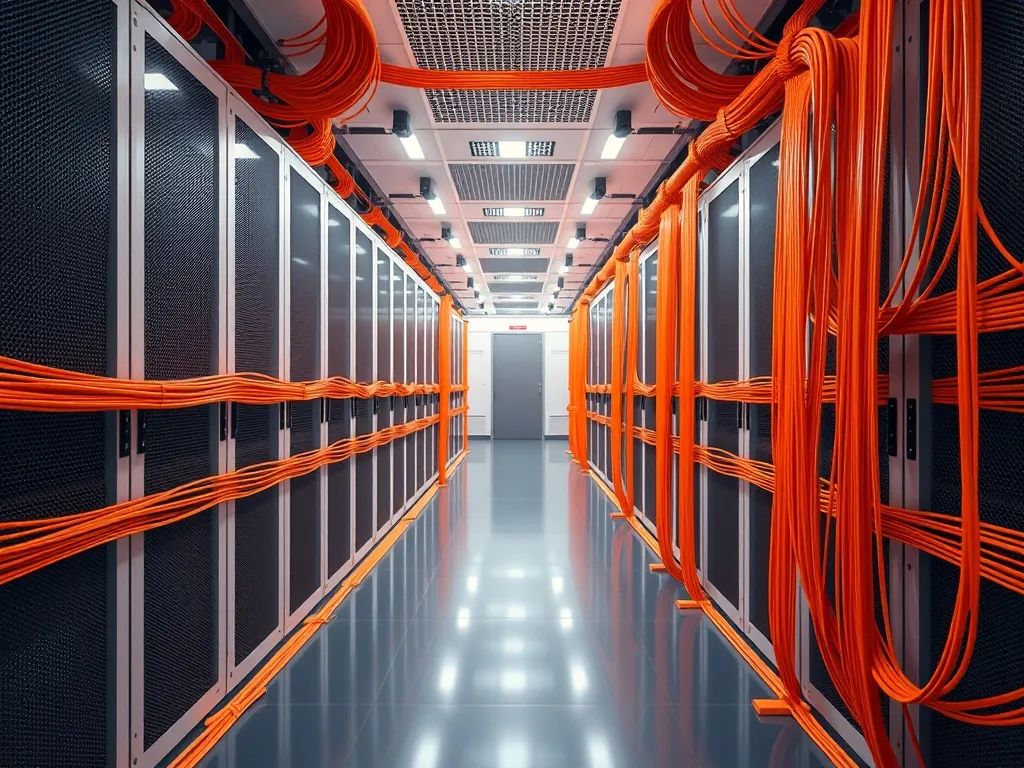
Furthermore, the synchronization of mobile data and home broadband presents a significant opportunity for geometric efficiency. By utilizing "bundle" structures that align with the spatial movements of the users, one can eliminate the overlap between cellular roaming and static Wi-Fi zones. This organic approach to data consumption ensures that every gigabit serves a specific functional purpose within the broader economic ecosystem of the home.
| Service Tier | Capacity (Mbps) | Cost Efficiency | Optimal Use Case |
|---|---|---|---|
| Base Fiber | 150 - 300 | High | Standard residential integration, 2-3 occupants. |
| Mid-Range Mesh | 500 - 1000 | Moderate | High-density smart home environments. |
| Enterprise Node | 1500+ | Low | Professional data processing facilities. |
Implementing a systematic approach to digital maintenance involves three core stages of refinement:
"The geometry of a budget is defined not by what we add, but by the clean lines of what we choose to remove."
— Infrastructure Lead
Explore our comprehensive Montreal Cost Optimization Guide 2024 for further insights into urban resource management and structural financial planning.
Only essential content — no spam.