
A high-angle architectural shot of Montreal urban street gri
Urban Integration

Montreal Community Resource Map

A technical analysis of communal infrastructure and spatial resource distribution designed to mitigate inflation-driven volatility in metropolitan Montreal.

12 min read

Spatial Resource Optimization

In the context of rising consumer price indices, the geometric arrangement of a city becomes its most valuable asset. Montreal’s unique urban fabric allows for a high density of non-commercial resource nodes that function as a secondary economic layer. This "shadow infrastructure" facilitates the circulation of goods and services without traditional monetary exchange, effectively lowering the cost of living for residents who understand the spatial logic of the city.

By analyzing the integration of these nodes into residential sectors, we can identify patterns of efficiency. From shared tool libraries to community-managed food systems, the city operates as a complex machine for resource redistribution. Understanding this map is not merely a social exercise but a strategic necessity for long-term financial stability in an inflationary environment.

  • 01. Integration of communal assets into existing residential zoning.
  • 02. Reduction of logistical friction in local resource acquisition.
  • 03. Utilization of public space for high-value subsistence activities.

Economic Impact

22% Reduction in household food waste
$1,400 Average annual savings per user
48+ Active community nodes in Plateau
Infrastructure Layer 01

The Cold Chain: Community Fridge Networks

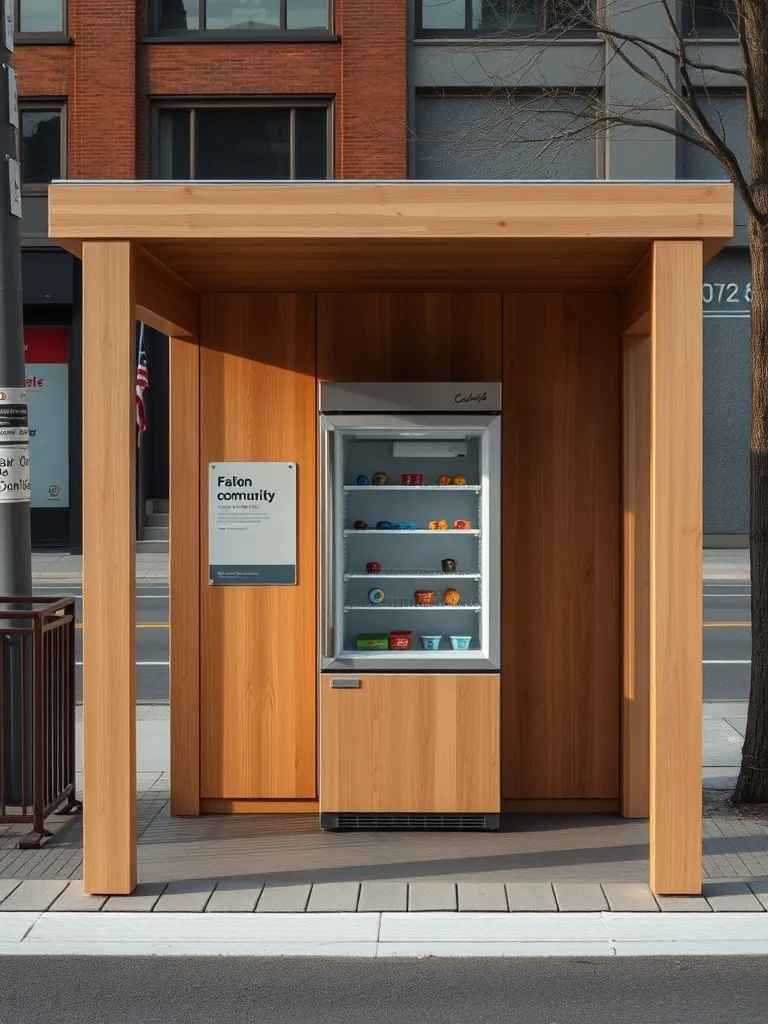
The "Frigos Pleins" initiative represents a decentralized approach to food security. Unlike traditional food banks, these stations are integrated directly into the sidewalk geometry, allowing for 24/7 access without bureaucratic intervention. Each unit acts as a thermal node where surplus organic matter is redirected from retail waste streams to residential consumption.

Structurally, these units are maintained by local collectives who ensure hygiene standards and inventory rotation. For residents, these nodes offer a way to offset the 10-15% increase in grocery costs observed over the last fiscal year. The spatial distribution is highest in boroughs like Hochelaga and Verdun, reflecting a high density of community-led urban planning.

"The community fridge is not a charity project; it is a structural intervention in the urban food cycle, optimizing the flow of resources that would otherwise be lost to landfill geometry."

A minimalist, architectural shot of a community fridge integ

The Non-Monetary Library System

Beyond books, Montreal's library system has evolved into a comprehensive resource hub for technical tools and digital infrastructure.

Resource Type A

Tool Libraries (La Remise)

High-quality construction and maintenance tools available for short-term loan. This reduces the need for individual capital expenditure on equipment that remains idle 95% of the time.

View Optimization Guide →
Resource Type B

Seed & Garden Hubs

Integration of agricultural resources into the urban grid. Residents can access heirloom seeds and soil testing kits to transform private balconies into productive micro-landscapes.

Urban Mobility →
Resource Type C

Digital Fabrication

Public access to 3D printers, laser cutters, and CNC machines at the Grande Bibliothèque. A critical node for repairing domestic items rather than replacing them.

Fee Reduction Systems →

"The city is not a collection of buildings, but a network of shared opportunities. Wealth in Montreal is measured by your proximity to the right nodes."

Resource Navigation FAQ

How do I locate the nearest community fridge?

Most fridges are mapped via the "C'est prêt" platform or local borough websites. Look for nodes in high-traffic pedestrian zones near metro stations where logistical integration is highest.

Are there costs associated with tool libraries?

While some require a nominal annual membership fee (typically $20-$50), this cost is negligible compared to the $500+ required to purchase a professional-grade drill or saw.

Can I contribute to these resource maps?

Yes. Community resource mapping is an organic process. By documenting new nodes and verifying existing ones on platforms like OpenStreetMap, you improve the structural integrity of the network.

Optimize Your Urban Living

Discover how to integrate these community resources into your daily financial planning. Our comprehensive guides provide the technical framework for cost reduction in Montreal.