Infrastructure Economics

URBAN
MOBILITY

Analyzing the spatial geometry of transit networks to optimize operational expenditures. We deconstruct the integration of public transport systems and private logistics to mitigate the impact of rising inflation on Montreal's urban movement.

01 / Efficiency

Route Optimization

Integration of algorithmic flow analysis to reduce idle time and fuel consumption. By aligning transit corridors with high-density nodes, we eliminate redundant spatial overlaps in the network.

View Methodology
02 / Maintenance

Predictive Logic

Shifting from reactive repairs to structural diagnostics. This approach minimizes emergency structural failures and stabilizes long-term maintenance budgets against inflationary spikes in parts procurement.

Risk Assessment
03 / Integration

Multimodal Sync

Seamless spatial transition between STM metro lines, REM light rail, and cycling infrastructure. A cohesive mobility landscape reduces the financial burden on individual commuters through unified fare structures.

Primary Guide

Structural Integration of STM Networks

The current economic climate in Montreal necessitates a radical re-evaluation of how public transport serves the urban landscape. As inflation impacts energy costs and labor, the STM (Société de transport de Montréal) integration plan focuses on spatial efficiency. We analyze the geometry of transit lines not merely as paths, but as structural backbones for economic activity. By concentrating development around transit hubs, we reduce the "last mile" infrastructure costs that typically drain municipal budgets.

Optimizing transit costing involves a deep dive into peak-load management. By implementing dynamic scheduling based on real-time spatial density, the system can reduce operational waste during off-peak hours. This is not about cutting services, but about the organic redistribution of resources where the urban flow demands it most. For more information on how financial structures support these shifts, consult our section on Financial Institution Fee Reduction.

Core Integration Principles:

  • / Radial expansion of metro corridors to underserved industrial zones.
  • / Synchronization of bus arrival intervals with REM departure sequences.
  • / Implementation of unified digital payment gateways to reduce hardware overhead.
Operational Workflow

Maintenance Life-Cycle

01

Diagnostic Integration

Continuous monitoring of vehicle components using telemetry. This phase ensures that every structural element of the fleet is mapped in a central database, allowing for precise intervention before mechanical fatigue results in costly downtime.

02

Resource Allocation

Strategic placement of maintenance depots along major transit arteries. By reducing the distance a vehicle must travel for servicing, we minimize "dead mileage" and optimize the use of labor hours within the technical teams.

03

Sustainability Audit

Evaluating the environmental and financial impact of each maintenance cycle. We prioritize components with longer life-cycles and better organic integration with the existing vehicle architecture to ensure long-term cost stability.
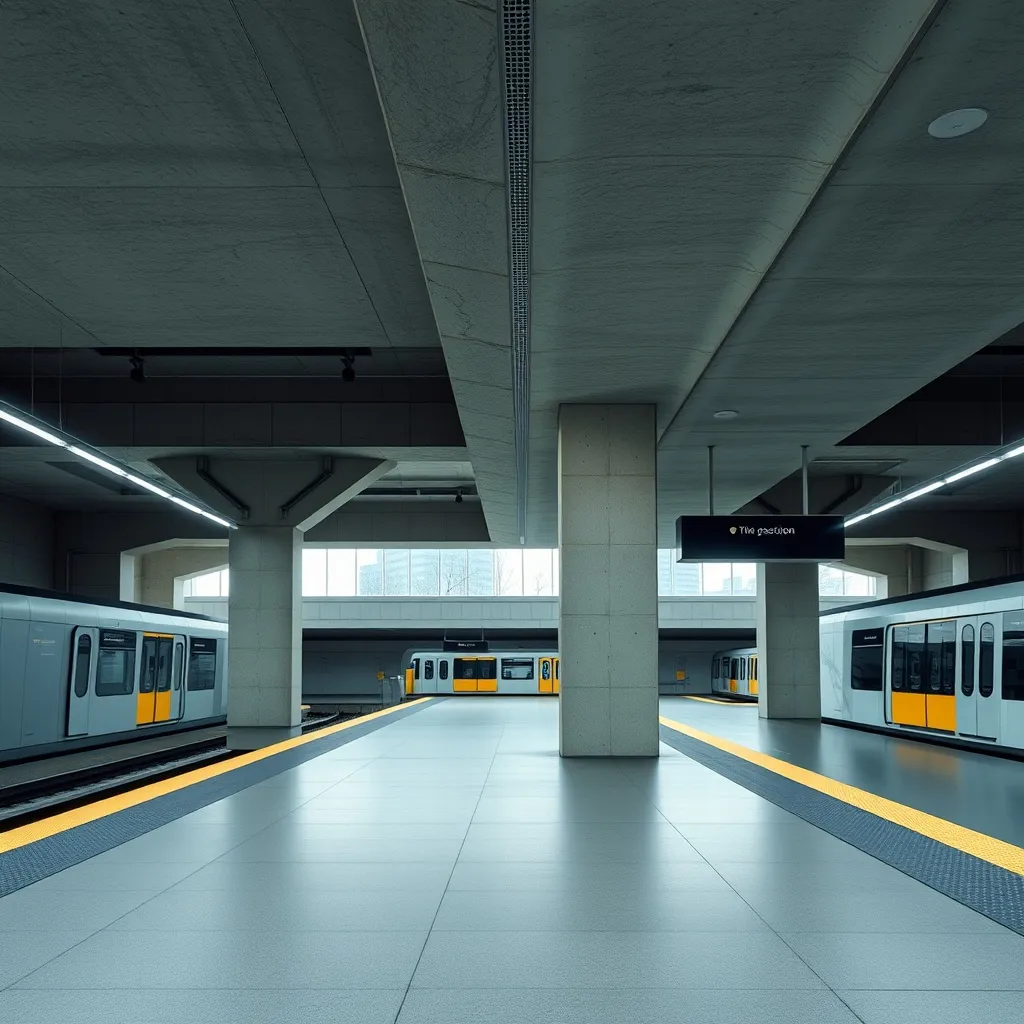
A minimalist architectural shot of a modern transit station
"Geometry in motion: the spatial efficiency of a city is defined by the logic of its transit corridors."